If 1,000 visitors produce 10 leads, what happens when you make it 20?
CRO is the multiplier that makes every other channel more valuable. The traffic cost is the same whether 1% of visitors convert or 2%. The difference is every lead you're currently leaving on the table.
The problem most businesses in your situation face.
You have traffic. It's not converting at the rate it should. Visitors arrive, look around, and leave without taking any action. The reasons are predictable: a value proposition that's unclear above the fold, a CTA that doesn't match what the visitor came looking for, a form that asks for too much too soon, a page that loads too slowly on mobile. None of these are traffic problems. They're conversion problems — and spending more on traffic before fixing them multiplies the waste, not the results.
Exactly what this engagement covers.
How we run this engagement.
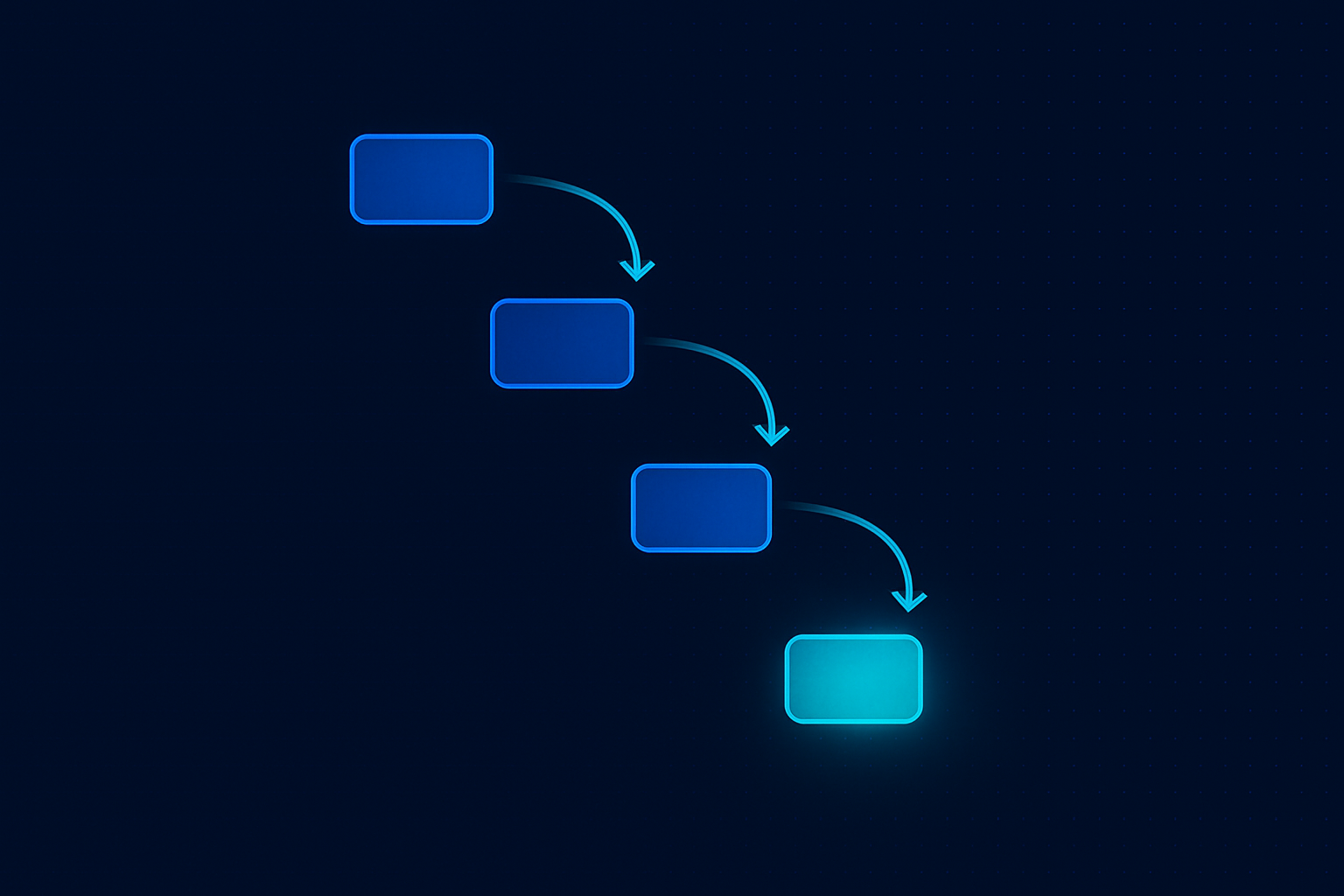
We don't start testing random elements. We start with the analytics: where visitors are dropping off, which pages have unusually high bounce rates, where the conversion funnel breaks. Diagnosis tells us what to test — and why it's worth testing.
Every test is based on a specific hypothesis: "We believe changing the CTA from 'Submit' to 'Get My Free Audit' will increase form completions because it communicates value instead of asking for compliance." No hypothesis = no learning.
We don't call a test early because one variant is leading after 50 conversions. We define the required sample size before the test starts and run to significance. Short-test conclusions are often wrong and get built into your site permanently.
The winning variant goes live. We document what we learned and update the baseline conversion rate. Then we identify the next highest-leverage test. CRO is not a one-time fix — it's a systematic improvement process.
What this looks like in practice.
Free trial sign-up page converting at 2.4%. Audit identified: headline didn't address the visitor's primary concern (data security), CTA button text read "Start Free Trial" but pricing page hadn't confirmed what happened at trial end. Two tests over 60 days — headline rewrite and CTA copy change plus a "cancel any time" line near the button. New conversion rate: 4.1%. At 8,000 monthly visitors, this meant 136 additional trial sign-ups per month.
Representative engagement. Individual results vary based on industry, competition, existing site authority, and budget.
Why Conversion Rate Optimization from Solqiro.
Random A/B testing is not CRO — it's guessing with extra steps. We start from the analytics to identify where the problem actually is.
A test called early is not a result. We define the sample size before testing starts and don't move on until we have valid data.
Every CRO report includes the actual calculation: current conversion rate × monthly visitors = leads. New conversion rate × same visitors = leads. That's the value of the improvement in concrete terms.
Better SEO, better PPC, better email — all produce more revenue when the page converts more of the traffic they deliver.
What this costs.
CRO engagements start at $650/month, covering ongoing auditing, test design, implementation, and reporting. Effective CRO requires a minimum traffic threshold — we'll confirm whether your current traffic volume supports statistically valid testing during the free audit.
Questions about CRO.
Related services
Ready to get more from your existing traffic? Start with a free CRO audit.
Start with a free audit. No commitment, no hard sell — just an honest look at where you stand and what it would take to move forward.